
Edge predictors learn your departures and returns, preheating or precooling just enough to meet your timing while respecting open windows and real‑time occupancy. Lightweight models run on thermostats, adjusting setpoints smoothly, preventing overshoot, and avoiding the uncomfortable swing that wastes energy and patience.

Non‑intrusive load monitoring extracts appliance signatures from a single meter, identifying refrigerators, washers, and space heaters with compact classifiers. Processing at the edge protects privacy and enables instant nudges, like pausing a dehumidifier when solar output dips or prices spike unexpectedly.
Coordinate EV charging, water heating, and dishwashing around occupancy, sunshine, and tariffs, while honoring personal preferences and quiet hours. Edge arbitration mediates competing requests, so comfort remains equitable, savings are visible to everyone, and the grid gets a gentler, more predictable demand curve.
Models can improve across households without exposing raw data by sending gradient updates with differential privacy noise and secure aggregation. Edge devices train briefly during idle periods, then contribute anonymously, giving communities better accuracy while keeping personal patterns out of corporate archives.
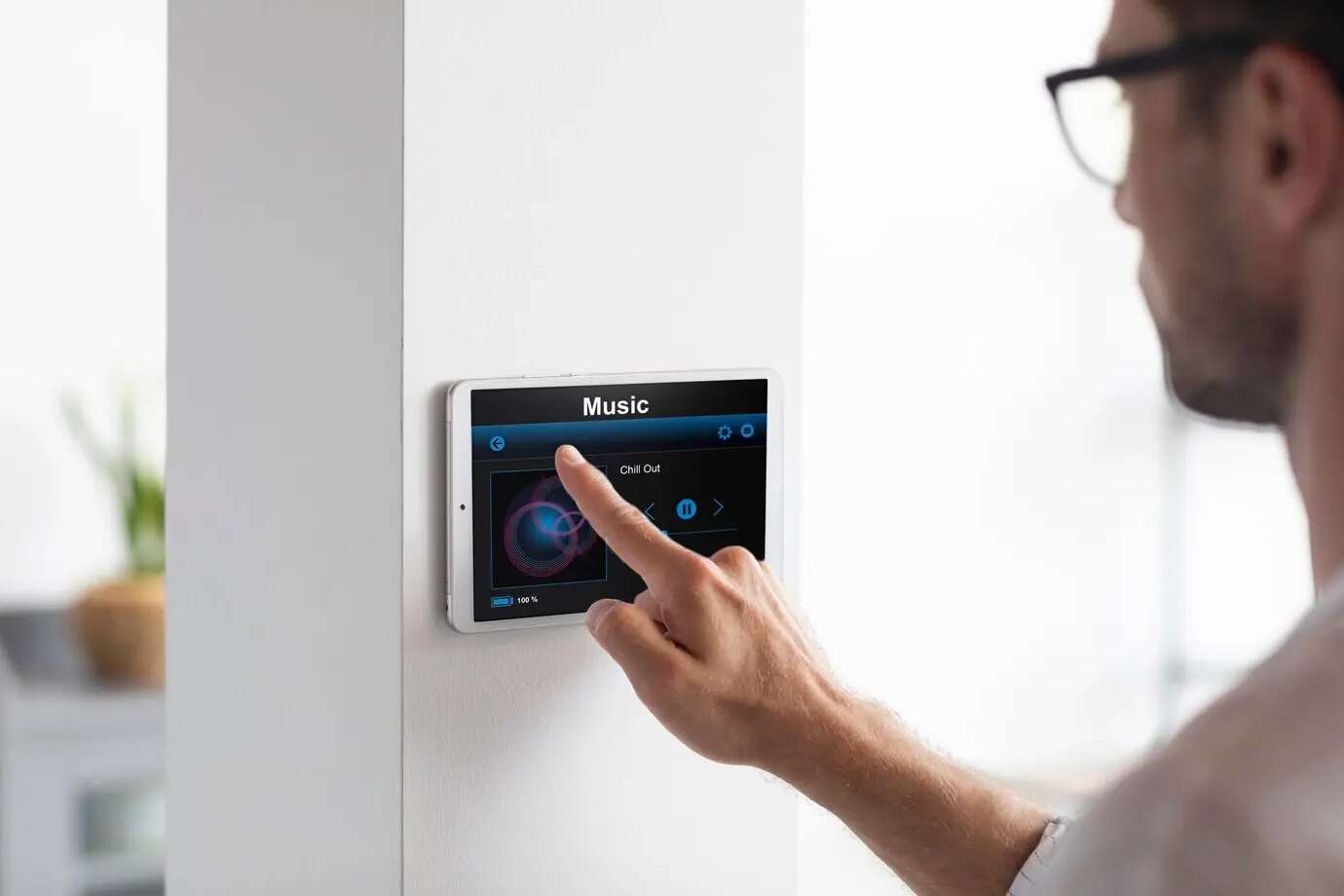
Put control panels where people actually look: TVs, tablets, or fridges. Explain clearly what is stored, for how long, and why. Provide guest modes and pause toggles for sensitive spaces, and log every access so trust grows through visibility rather than promises.
Favor standards for discovery, credentials, and scenes, so devices from different makers collaborate smoothly and survive app changes. Keep local APIs documented, maintain backups, and design fallbacks, ensuring your household stays functional even if a vendor sunsets cloud services overnight.
Combine a low‑cost mmWave radar, an ESP32, and a tiny classifier to drive lights and occupancy‑aware HVAC in a hallway. Integrate with Home Assistant or Matter bridges, set metrics dashboards, and invite feedback from housemates to refine thresholds until everyone is smiling.
Measure latency from motion to action, detection precision and recall, kilowatt‑hours saved, and family satisfaction. If a change introduces friction, roll back and compare. Clear baselines make progress obvious, cut through hype, and build the confidence needed to scale beyond pilots.