Live Smarter Without the Cloud
Step into cloud-free smart home living where your data never leaves the house, automations respond instantly, and reliability no longer depends on an internet connection. We’ll explore practical setups, device choices, and resilient patterns that make privacy the default while keeping convenience high. Whether you’re migrating away from subscriptions or starting fresh, this guide shows how to build locally controlled lights, climate, cameras, and voice, with approachable tools and real examples. Share your questions and wins below so others can learn from your journey and refine their own ideas.
Why Local Matters
Local control transforms everyday moments: lights react the instant you cross a hallway, music fades gracefully without buffering, and schedules run during outages because decisions happen inside your walls. Privacy improves because microphones, camera feeds, and occupancy data remain within your network, not an external server. Costs drop as subscriptions disappear and devices outlive fleeting app ecosystems. We’ll compare latency, autonomy, and resilience trade-offs, and share a storm-night anecdote where everything kept working despite the ISP failing. Tell us how going local changed your household’s comfort and peace of mind.
Core Architecture at Home
A resilient local setup starts with a dependable controller, thoughtful networking, and power protection. Many people begin with a small computer running Home Assistant, then add protocols like Zigbee, Z-Wave, and Thread for device diversity. A message broker such as MQTT keeps events flowing predictably, while VLANs and mDNS helpers ensure discovery without excessive exposure. Backups and UPS support safe recovery during storms. We’ll outline a simple path and link examples you can replicate, adapt, and extend as your needs evolve across rooms and seasons.
Choosing Devices That Respect You

Lighting and Switches
Wall switches with local control often outlast bulbs and avoid connection fragility when someone uses the physical paddle. Zigbee and Z-Wave dimmers pair nicely with motion and ambient-light sensors for responsive scenes. Thread and Matter are improving interoperability, but verify local execution today. Prefer warm-dim or tunable white where it adds comfort, not complexity. Label circuits and keep a spare device for quick swaps. Share your most reliable model numbers and any caveats discovered after months of daily use.
Climate and Energy
Choose thermostats, relays, and valves that operate locally and fall back gracefully when the controller is offline. Smart plugs with power monitoring reveal vampire loads and help schedule heavy appliances during off-peak rates. Consider battery-powered radiator valves for room-level control, but test radio range before committing. Shelly and similar devices offer local APIs that integrate well without external servers. Track comfort and savings over seasons to tune logic. Tell us which strategies reduced bills without sacrificing warmth or fresh air.
Security and Cameras
Use PoE cameras that provide RTSP or ONVIF, then record locally with a system like Frigate and hardware acceleration for efficient detection. Avoid accounts that require uploading footage. Door and window sensors should use reliable mesh radios and report battery status clearly. Sirens and locks must support local commands with audited behavior. Segment camera networks and rotate credentials periodically. If you’ve migrated from a cloud recorder, describe storage choices, retention policies, and what surprised you about bandwidth and maintenance once everything ran entirely on your hardware.
Presence Without Tracking You Online
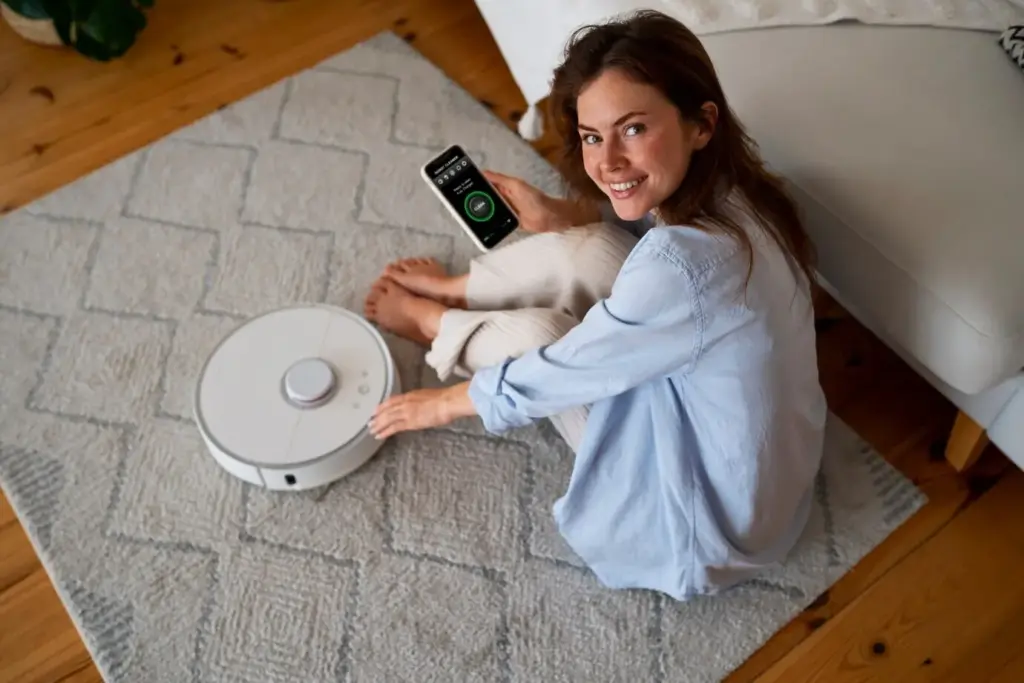
Blend reliable local signals to infer occupancy: Wi-Fi association, Bluetooth beacons, door contacts, and motion patterns. Edge-process sensor fusion so nothing leaves your home. Provide manual overrides for guests and emergencies. Use decay timers to avoid false absences, and exclude rooms where privacy is paramount. Document logic in plain language so family members can understand and trust behavior. Post your presence recipe and identify what worked, what failed, and how you balanced sensitivity with comfort and predictability.
Scenes, Modes, and Routines
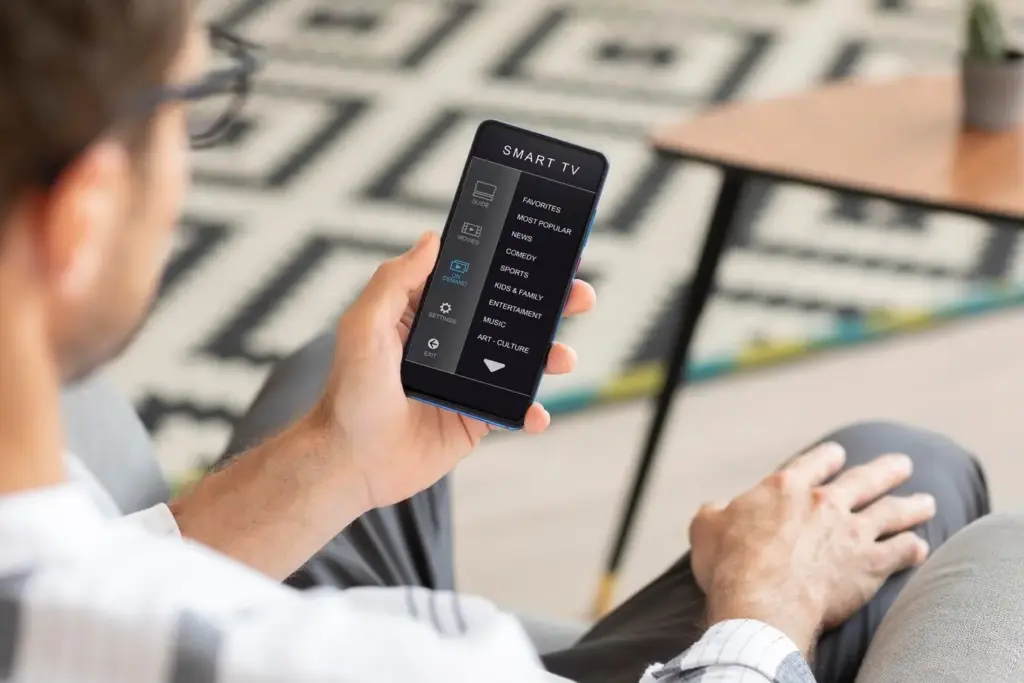
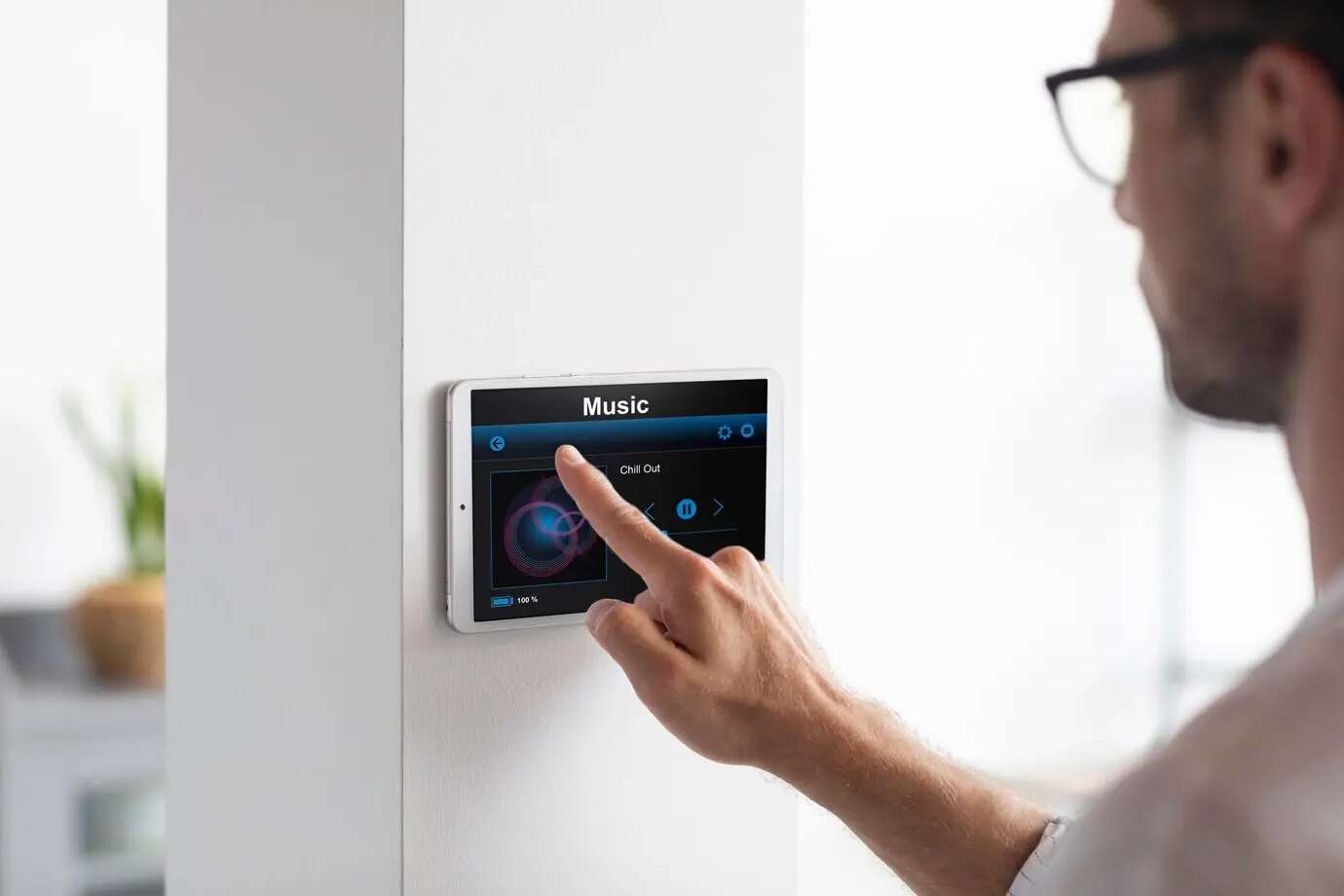
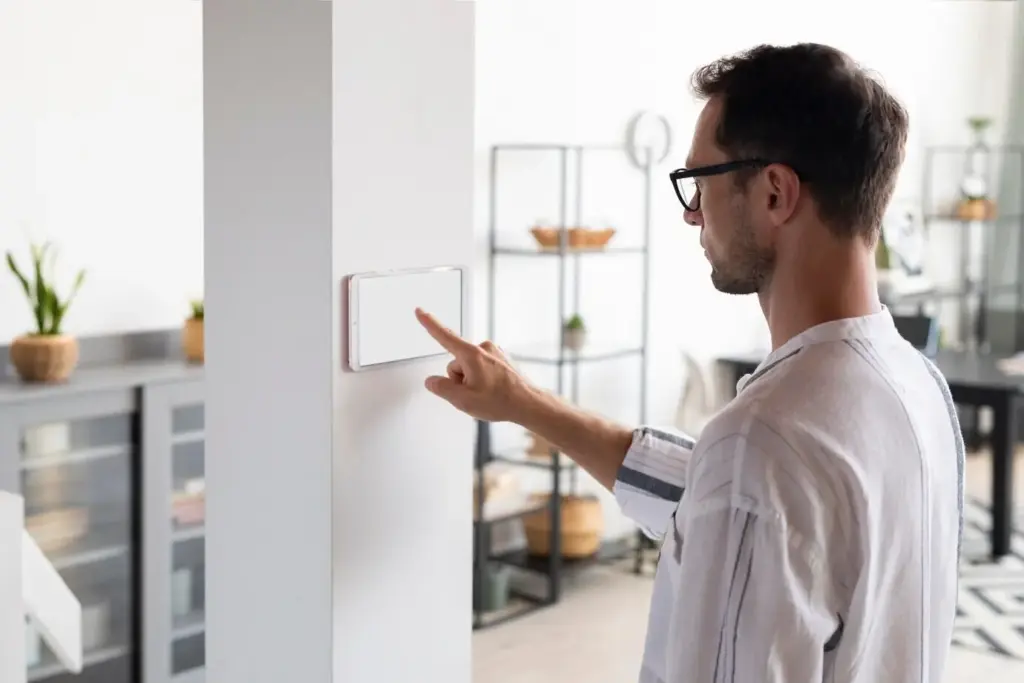
Define named states that guide everything else: morning, work, evening, movie, travel, and sleep. Each adjusts lights, blinds, notifications, and climate to reduce micro-decisions. Conditions prevent conflicts, such as skipping vacuum runs during calls. Build routines incrementally and annotate changes for clarity. Consider seasonal variants to handle sunlight shifts. Offer quick access on wall tablets and physical buttons. Share screenshots of your mode logic so others can replicate the structure, then tweak triggers to reflect different households and rhythms.
Voice Without the Cloud

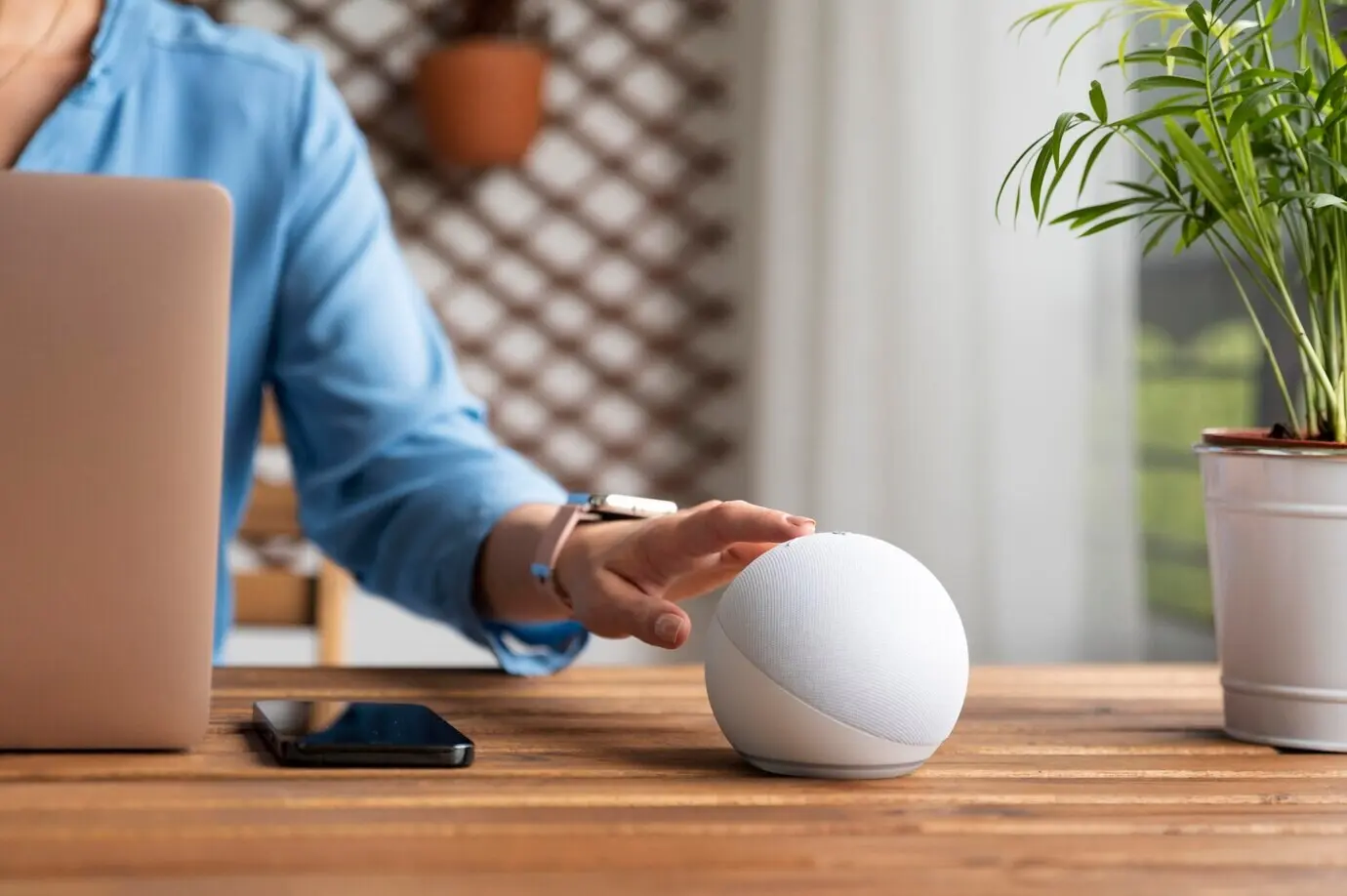
Offline speech is increasingly practical with wake-word engines like Porcupine, recognition via Vosk, and natural voice from Piper or Coqui TTS. Place small microphones in quiet spots and process commands locally with clear feedback sounds. Limit commands to high-confidence actions, and provide tactile fallbacks for everything. Train custom intents for names you actually use at home. Evaluate latency on your hardware and iterate. If you’ve tried Rhasspy or similar systems, describe your setup and which device classes respond best using purely local pipelines.
Security, Updates, and Maintenance
Security thrives on simplicity you can routinely execute. Schedule backups, automate snapshots, and practice restores before you need them. Update firmware when release notes show clear benefits, not just because a dialog suggests it. Restrict outbound traffic for devices that try to phone home. Use a self-hosted VPN rather than exposing ports. Monitor resource usage to catch runaway processes early. Keep notes, label shelves, and celebrate small maintenance wins. Share your maintenance cadence so newcomers can copy a rhythm that fits real life.
Firmware and Backups
Adopt a predictable update window and snapshot your controller beforehand. Keep a bootable recovery drive and verify backups with periodic test restores. Favor devices with local OTA or USB update options. Track versions and changelogs in a shared document. If an update breaks compatibility, roll back quickly and send useful feedback upstream. Invite readers to exchange upgrade checklists and fallback strategies that minimize downtime, so collectively we strengthen reliability without drifting toward risky habits or unnecessary, disruptive novelty.

Network Hardening
Block unsolicited outbound traffic, disable universal plug and play, and avoid exposing dashboards directly to the internet. Prefer WireGuard on your own router for remote access. Create service accounts with least privilege for integrations and revoke tokens you no longer use. Log authentication attempts and review them weekly. If guests need control, provide a simplified dashboard on a locked tablet. Share firewall rules that balanced convenience and safety, and ask for advice on simplifying those that became too complex over time.
Real Stories and Starter Paths
Examples shorten the learning curve. We’ll share how a weekend migration kept lights responsive during a neighborhood outage, and how a camera system moved to a local recorder while improving detection accuracy. Then we outline three starting paths for different homes, budgets, and goals. Mix and match details to fit your circumstances. Add your story in the comments and subscribe for follow-ups; your insights help refine checklists and reveal pitfalls we might otherwise miss together.